Does Dog Poop Attract Pests? What You Need to Know
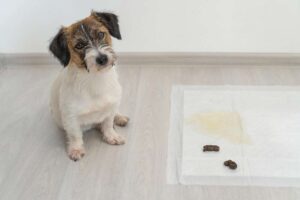
Dog owners love their furry friends, but dealing with dog poop? Not so much. One common concern is whether dog poop attracts pests, and the answer is yes, it absolutely can. Left untreated in your yard or public spaces, dog waste can become a hotspot for bugs, rodents, and even dangerous bacteria.
Whether you’re a pet parent or a professional, understanding how dog poop affects your environment can make a big difference in how you care for your dog and your community.
Why Dog Poop is a Magnet for Pests
Dog poop may look harmless at first glance, but to pests, it’s like a buffet. When left outside, it starts to decompose quickly, attracting insects and animals in search of food or shelter. Flies are usually the first visitors they lay their eggs in it. Those eggs turn into maggots within 24 hours. Disgusting, right?
Rodents like rats and mice are also drawn to the smell of feces. They might not eat the poop itself, but they often come sniffing around because poop means food is nearby. This is especially true in urban areas where rats are common.
Even worse? Cockroaches and beetles have also been known to nest in areas with high feces build up. They feed off the organic matter and thrive in dirty environments.
What Types of Pests Are Attracted to Dog Poop?
Dog poop can attract more than just flies and rats. Here’s a list of the most common pests you might see if you leave pet waste around for too long:
| Pest | Why They’re Attracted | What They Do |
| Flies | Lay eggs in poop, use it for food | Spread bacteria and disease |
| Rodents | Smell food nearby and explore the area | Damage property and spread disease |
| Cockroaches | Thrive in dirty, moist environments | Cause allergic reactions, contamination |
| Beetles | Feed on decomposing matter | Contribute to waste buildup |
| Ants | Forage for food and sugary substances | Create colonies near waste |
How Dog Poop Poses a Health Risk
It doesn’t stop at pests; dog poop alone is a health hazard. While it could look as if the creation of the poop itself is natural, it is teeming with dangerous bacteria, parasites, and viruses. And when it stays on your lawn or the sidewalk, the rain can transport it into the storm drains and the waterways. In the end, we have polluted water systems.
Besides, the bacteria in poop like E. coli, salmonella, or giardia can multiply rapidly. If children are playing around, or you step in it by accident, these germs can be carried right into your house.
That is the reason why those professionals at veterinary ce training always pinpoint the fact that proper waste management is not only important for the dog’s health but for the community, as well.
How Often Should You Clean Up Dog Poop?
At minimum clean up dog poop a few times a week in your yard. Have a poop bag with you every time you take your dog out for a walk. Leaving poop not just attracts pests, it is also bad manners, and, in some places, it is illegal.
There is a faster growth of pests during the warm season. That means you must always be on the lookout for more scooping, especially if you have a small yard or multiple dogs.
Make scooping a regular chore, for example, every morning or evening, do a quick check and clean. This easy thing can help you save yourself from pests before they even start coming.
Some people prefer to use pet waste removal services, mainly in busy households. If that is your strategy, then go ahead! A clean environment means happy animals, no pests, and good hygiene in the neighborhood.
What Can You Do to Keep Pests Away from Dog Waste?
So, now that we know pests love poop. How do you keep them out of your space? Here are a few helpful tips:
- Scoop regularly: Don’t let waste sit.
- Use sealed bins: Always tie poop bags and place them in a lidded trash bin.
- Avoid composting dog poop: It’s not like veggie scraps; it can carry harmful parasites.
- Lime or enzymes: These products can help break down leftover waste and reduce odor.
- Hire cleanup help: If it’s too much for you, weekly cleanup services exist in most areas.
Halfway through this guide, it is appropriate to acknowledge that quite a few veterinary conferences emphasize waste management as the most important part of getting the pests under control. Good management of pet places is not just for good looks, but it is also for the public health concern, you know.
Can Dog Poop Affect Other Pets?
Absolutely. If one dog is infected with worms or giardia, and another dog sniffs or eats the poop, they can get sick too. Even cats and wildlife can be affected. Shared yards, parks, or trails can quickly become hotspots for disease if dog poop isn’t cleaned.
Worse yet, the parasites in dog poop can survive in soil for weeks or even months. That means your pet could get sick just from digging in old waste. Regular cleanup doesn’t just protect your own dog; it protects others too.
Veterinarians recommend keeping your pet on regular deworming medication, but that’s just one layer of defense. Clean habits matter just as much.
Final Thoughts
If you neglect your yard, dog poop will create a pest paradise. It invites flies, rodents, and a range of other creatures and provides a health hazard due to the bacterium and parasite load. Nevertheless, regular dog poop removal, pet-friendly pest control, and yard care on a regular basis can keep the pests away from your yard and livestock.
Preventive measures such as covering the trash, house cleaning, and consulting with the veterinarian who can give helpful tips will show the best effect.
Written By: Sara Williams is a professional content writer specializing in animal healthcare and veterinary topics. Her work provides pet owners and veterinarians with insightful, well-researched information to improve animal care.
Recent Comments